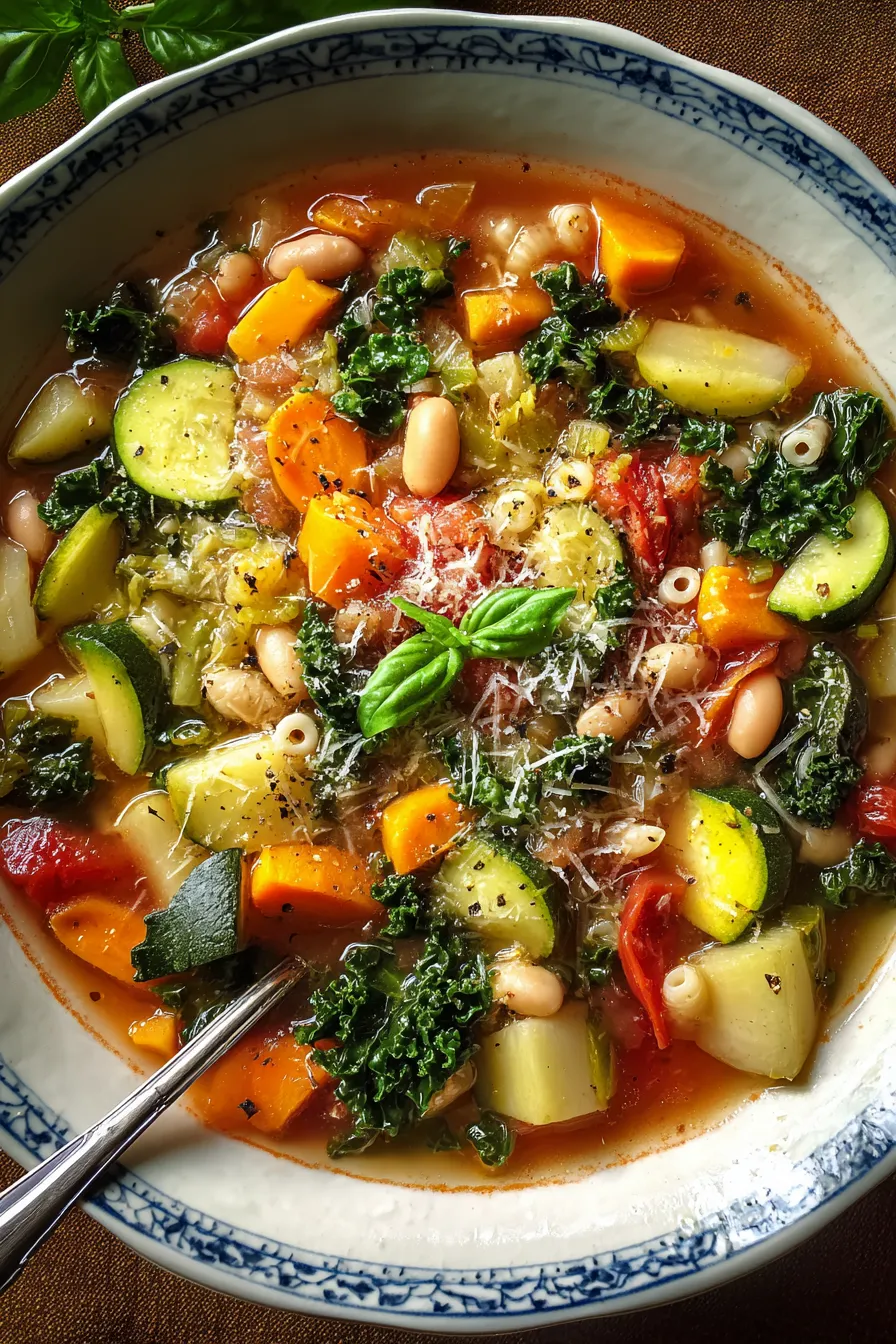
Blue Zone Minestrone: Italian Secret to Longevity & Heart Health
Imagine a life lived vibrantly, well past 100, free from chronic disease and full of purpose. This isn't a fantasy; it's the reality for inhabitants of the world's Blue Zones – regions where people live measurably longer and healthier lives. And what's one of their culinary secrets, particularly in the Italian Blue Zone of Sardinia? A humble, yet powerful, bowl of vegetable minestrone soup. This timeless Italian classic isn't just delicious; it's a nutritional powerhouse, embodying the very principles of longevity and robust heart health.
Far from a fleeting trend, minestrone soup has roots stretching back centuries, evolving into the thick, hearty, and unbelievably versatile dish we cherish today. Packed with an array of fresh vegetables, fiber-rich legumes, and wholesome grains, it's a testament to the idea that some of the most profound secrets to a long life can be found in simple, whole-food preparations passed down through generations. Let's uncover why this vibrant soup is a cornerstone of the Blue Zone diet and how you can bring its life-affirming benefits into your own kitchen.
The Blue Zone Blueprint: Why Vegetable Minestrone Soup Is a Longevity Elixir
The concept of Blue Zones – including Okinawa, Japan; Ikaria, Greece; Nicoya, Costa Rica; Loma Linda, California; and Sardinia, Italy – highlights communities where exceptional longevity is common. While diverse in culture, these zones share striking similarities in diet and lifestyle. A plant-forward approach, emphasizing whole, unprocessed foods, forms the bedrock of their eating habits. And it's precisely here that vegetable minestrone soup shines as a perfect culinary representative of Blue Zone wisdom.
- Fiber Powerhouse: One of the most significant components of minestrone is its incredible fiber content. Beans, pasta (especially whole grain), and a generous medley of vegetables – carrots, celery, tomatoes, spinach, zucchini – contribute soluble and insoluble fiber. This is crucial for digestive health, promoting satiety, and, critically, for heart health by helping to lower cholesterol and regulate blood sugar levels.
- Antioxidant Rich: Every spoonful is bursting with vitamins, minerals, and antioxidants. The vibrant colors of the vegetables are a visual cue to their nutrient density. Tomatoes offer lycopene, carrots provide beta-carotene, and leafy greens like spinach or kale are packed with vitamins K, A, and C, all of which combat oxidative stress and inflammation, key factors in aging and chronic disease.
- Plant-Based Protein: Legumes are a staple in Blue Zone diets, and minestrone features them prominently. Cannellini, kidney, or borlotti beans provide substantial plant-based protein, making the soup incredibly satisfying and a complete meal without the need for excessive amounts of animal products. This aligns with Blue Zone patterns of consuming meat sparingly.
- Low in Saturated Fat: Traditional minestrone, especially a vegetable-focused version, is naturally low in saturated fats. When prepared with a base of vegetable broth and a minimal amount of healthy fats (like olive oil for sautéing, or even oil-free as some modern adaptations suggest), it supports a heart-healthy diet.
- Hydration and Satiety: Soups are inherently hydrating, and the warmth and volume of minestrone contribute to a feeling of fullness and comfort, helping to prevent overeating and supporting healthy weight management.
It's not merely the individual ingredients but their synergistic combination that makes minestrone so powerful. The slow simmering allows flavors to meld and nutrients to become more bioavailable, creating a dish that's both nourishing and deeply satisfying.
A Journey Through Time: The Enduring Charm and Versatility of Italian Minestrone
The story of minestrone is as rich and layered as its flavors, tracing its origins back to ancient Rome. Initially, it was a humble staple for Roman peasants, born from necessity and resourcefulness. Farmers would gather whatever seasonal vegetables, grains, and legumes they had on hand, simmering them into a simple, nourishing broth. This "cucina povera" – or "poor kitchen" – philosophy is at the heart of minestrone's enduring appeal: using seasonal, local ingredients to create something truly extraordinary from seemingly simple components.
Over centuries, this basic concept evolved. As new ingredients like tomatoes (post-Columbian exchange) became available and Italian culinary traditions solidified, minestrone transformed into the more substantial, hearty soup we recognize today, often featuring pasta or rice to add even more body and caloric sustenance. What differentiates vegetable minestrone soup from a generic vegetable soup is precisely this robust character – the distinctive presence of beans and pasta, which give it a much thicker broth and a more complete, meal-like quality compared to lighter, thinner vegetable broths.
The beauty of minestrone truly lies in its incredible versatility. There isn't one definitive "authentic" minestrone recipe; instead, variations abound from region to region, and even from household to household, reflecting the available seasonal produce. In summer, you might find it lighter, brimming with zucchini, green beans, and fresh pesto. In winter, it becomes a more comforting affair, loaded with root vegetables, kale, and hearty legumes. This adaptability not only keeps the soup exciting but also aligns perfectly with sustainable eating practices and the Blue Zone emphasis on local, seasonal food.
Crafting Your Own Blue Zone Elixir: Tips for a Perfect Vegetable Minestrone
Creating your own pot of Blue Zone minestrone is a simple yet profoundly rewarding experience. It demands little more than fresh ingredients and a willingness to let flavors slowly develop. Here's how to bring this longevity-promoting soup to life in your kitchen:
- The Aromatic Foundation: Begin by building your flavor base. Sautéing finely chopped onions, garlic, carrots, and celery (the "soffritto") in a touch of olive oil, or even dry-sautéing with a splash of water for an oil-free approach, is essential. Adding mushrooms at this stage can also deepen the umami.
- The Liquid & Legumes: Once your aromatics are softened, introduce diced or crushed tomatoes and high-quality vegetable broth. This forms the rich, savory liquid base. Next, add your choice of beans – cannellini, kidney, borlotti, or chickpeas all work wonderfully, bringing both texture and significant nutritional value.
- Herb & Spice Infusion: Don't skimp on the seasonings! Bay leaves, oregano, thyme, and a pinch of red pepper flakes (if you like a little warmth) will transform your broth. Allow everything to simmer gently, letting the flavors meld and deepen over at least 20-30 minutes, or even longer for a more intense taste.
- The Hearty Additions: While the soup simmers, prepare your pasta separately. Small pasta shapes like ditalini, elbow macaroni, or small shells are traditional. Cooking it separately ensures the pasta cooks perfectly al dente and prevents it from becoming mushy or absorbing too much broth when stored as leftovers. Potatoes can also be added earlier to the simmering broth for extra starch and heartiness.
- Freshness at the End: Just before serving, stir in fresh leafy greens like spinach, kale, or Swiss chard. Their vibrant color and nutrients are best preserved with minimal cooking. Finish with a generous handful of fresh chopped parsley or basil, which adds a burst of aromatic freshness.
This recipe is inherently flexible. Feel free to incorporate whatever seasonal vegetables you have on hand – zucchini, green beans, cabbage, or even butternut squash in the colder months. For a deeper dive into making this dish completely plant-based, explore our guide on Vegan Minestrone Soup: Hearty Italian Tradition, Plant-Based Twist. And to master the art of adapting this incredible dish to any palate or pantry, check out Mastering Minestrone: Versatile Italian Comfort for Wholesome Living.
More Than a Meal: Integrating Minestrone into a Longevity Lifestyle
The benefits of vegetable minestrone soup extend far beyond its nutritional profile. Embracing this Italian classic can encourage a broader shift towards a Blue Zone-inspired lifestyle:
- The Art of Batch Cooking: Minestrone is a meal prep champion. It often tastes even better the next day as flavors continue to meld. Prepare a large batch and enjoy it throughout the week, or freeze portions for quick, healthy meals whenever you need them. This reduces reliance on processed foods and simplifies healthy eating.
- Reducing Food Waste: True to its origins, minestrone is an excellent way to use up leftover vegetables in your fridge. Its adaptable nature means fewer ingredients go to waste, promoting a more sustainable and economical approach to cooking.
- Mindful Eating and Community: In Blue Zones, meals are often slow, savored, and shared with family and friends. Preparing and enjoying a homemade minestrone encourages a similar mindful approach – taking time to appreciate the food, its history, and the act of nourishing your body and soul.
- Comfort and Satisfaction: There's an undeniable comfort in a warm, hearty bowl of soup. This emotional satisfaction is a powerful component of overall well-being, contributing to a holistic approach to health that extends beyond just nutrients.
Conclusion
The "secret" to longevity and heart health, as exemplified by the Blue Zones, is less about exotic superfoods and more about embracing a balanced, whole-food diet deeply rooted in tradition. Vegetable minestrone soup perfectly encapsulates this philosophy: simple, nutritious ingredients combined to create a delicious and satisfying meal that has sustained generations. By making this versatile Italian classic a regular part of your diet, you're not just enjoying a comforting bowl of soup; you're adopting a centuries-old tradition that nourishes your body, delights your taste buds, and whispers the promise of a longer, healthier life.
