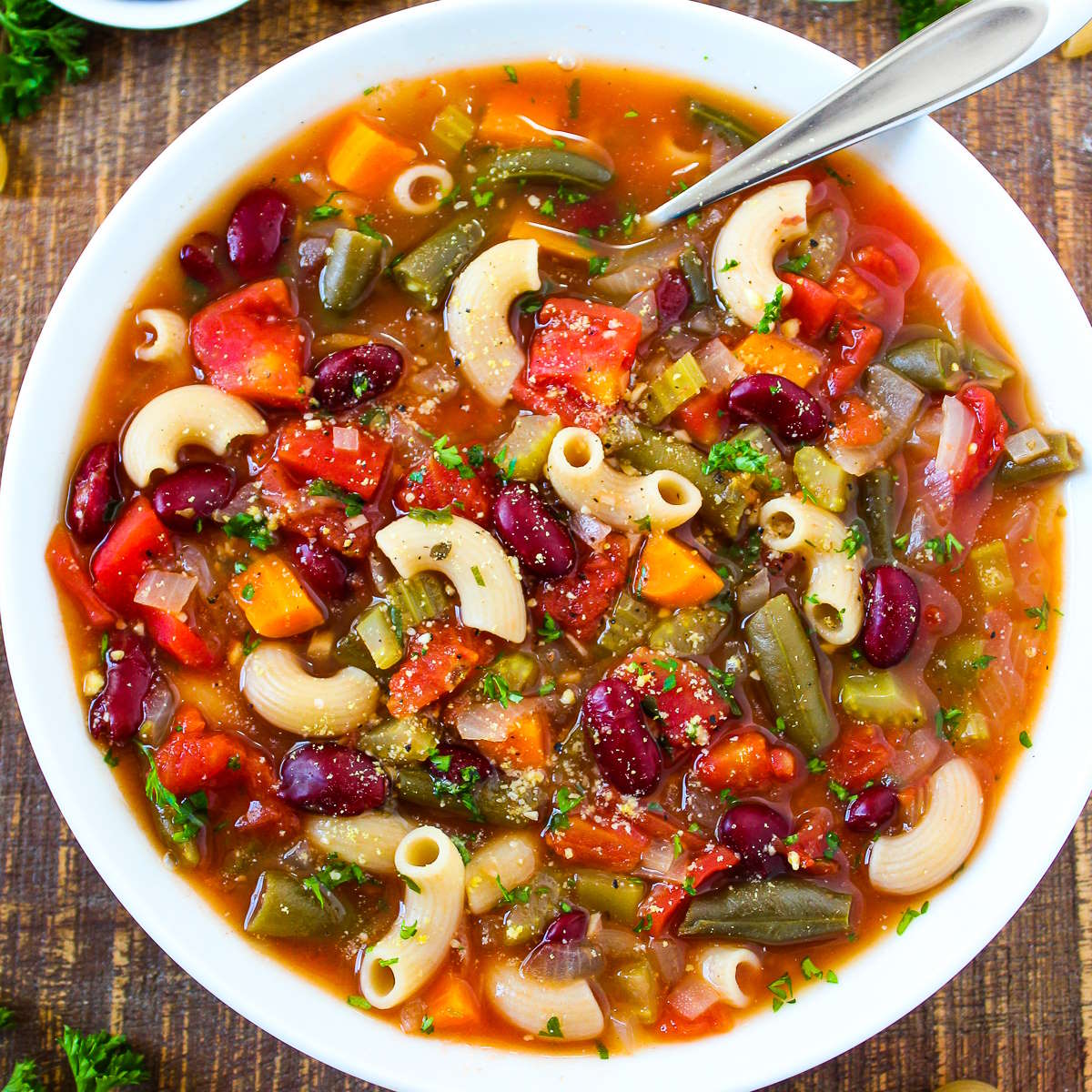
Vegan Minestrone Soup: Hearty Italian Tradition, Plant-Based Twist
Imagine a steaming bowl of comfort, brimming with vibrant vegetables, hearty legumes, and tender pasta, all swimming in a savory, herb-infused broth. This is the essence of minestrone soup – a beloved Italian classic that has nourished generations. But what if this wholesome dish could also be a secret ingredient for a longer, healthier life? Enter *vegan minestrone soup*, a plant-based rendition that not only honors its rich heritage but also aligns perfectly with the dietary wisdom of the world's renowned Blue Zones, where centenarians thrive. This isn't just a meal; it's a testament to the power of simple, natural ingredients to deliver profound flavor and exceptional health benefits.
This comprehensive guide will explore the fascinating journey of minestrone, demystify what sets it apart from other vegetable soups, and equip you with the knowledge to craft your own delicious and health-promoting vegan version. Prepare to tantalize your taste buds and embrace a significant piece of culinary history right at your kitchen table.
The Rich History of Minestrone: From Ancient Rome to Blue Zones
The story of minestrone soup is as rich and layered as the dish itself, with roots tracing all the way back to ancient Rome. Far from being a gourmet delicacy, minestrone was born out of necessity and resourcefulness. It was a popular dish among Roman peasants, who would gather whatever seasonal vegetables, grains, and legumes they had available to create a simple yet incredibly fulfilling meal. This early form was likely a modest vegetable broth, evolving over centuries into the more substantial, satisfying soup we cherish today.
The core philosophy of minestrone has always revolved around seasonal produce. This is precisely why, from region to region across Italy, you'll find variations in ingredients, reflecting the local bounty. This adaptability is one of its greatest strengths and a key to its enduring popularity.
Today, minestrone’s reputation has soared beyond humble origins, largely due to its strong association with longevity and wellness. It’s a foundational element in many Mediterranean diets, particularly those found in the "Blue Zones" – specific regions worldwide where people live significantly longer, healthier lives than average. In these zones, diets are predominantly plant-based, rich in whole foods, legumes, and fresh produce. The regular consumption of dishes like vegetable minestrone soup, packed with essential nutrients, fiber, and heart-healthy ingredients, is believed to play a crucial role in supporting heart health, aiding digestion, and contributing to overall vitality. It truly embodies the idea of food as medicine, a cornerstone of a long, healthy life. To learn more about this connection, explore
Blue Zone Minestrone: Italian Secret to Longevity & Heart Health.
What Makes Minestrone Different? A Culinary Comparison
At first glance, one might assume that minestrone is just another vegetable soup. However, there’s a distinct difference that elevates it to a category of its own. While both are vegetable-based, minestrone is classically known for its specific characteristics:
*
Beans: A signature component, beans (such as cannellini, kidney, or borlotti) are almost always present, contributing a creamy texture, protein, and significant fiber.
*
Pasta or Rice: Small pasta shapes (like ditalini, elbow macaroni, or small shells) or sometimes rice are integral, making the soup more filling and hearty.
*
Robust Broth: Minestrone typically boasts a thicker, richer, and more robust broth, often tomato-based, which melds the flavors of its many ingredients beautifully.
*
Heartiness: It’s a substantial, often chunky soup designed to be a complete meal, providing ample comfort and satisfaction.
In contrast, a general vegetable soup can be much lighter, sometimes entirely void of beans or pasta, and tends to have a thinner broth. While delicious in its own right, it doesn't quite deliver the same level of satisfying density and complex flavor profile that minestrone is celebrated for. What truly distinguishes a hearty *vegetable minestrone soup* is its incredible versatility and profound heartiness, allowing it to adapt to countless variations while always remaining deeply comforting.
Crafting Your Perfect Vegan Minestrone: Tips & Tricks for Longevity in a Bowl
Making a delicious *vegan minestrone soup* is a rewarding culinary journey that requires little effort but yields immense satisfaction. The process is simple, allowing the fresh, wholesome ingredients to shine. Here’s a general overview and some practical tips to guide you:
- Aromatic Foundation: Begin by sautéing the essential aromatics. This typically includes diced onions, minced garlic, carrots, and celery (the "soffritto" base), often joined by mushrooms for an extra layer of umami. Use a splash of vegetable broth or water instead of oil for an oil-free approach, keeping in line with Blue Zone principles.
- Building the Flavor: Once the vegetables are softened, add your seasonings. Italian herbs like oregano, basil, and thyme are crucial. Incorporate canned diced tomatoes (or crushed tomatoes) and a generous amount of high-quality vegetable broth. Stir in your chosen beans, such as cannellini or kidney beans, ensuring they're rinsed and drained if canned.
- Simmer and Meld: Let the soup simmer gently. This crucial step allows all the flavors to deepen and meld together, creating that rich, complex taste profile. The longer it simmers (within reason), the more developed the flavors will become.
- Pasta and Greens Last: Cook your pasta separately to prevent it from absorbing too much broth and becoming mushy in the main pot. Stir the cooked pasta into the soup right before serving. At the very end, wilt in fresh greens like spinach, kale, or Swiss chard, and stir in fresh parsley for brightness.
Pro Tips for Your Vegan Minestrone:
*
Embrace Seasonal Produce: Remember minestrone's origins – use what's fresh and available! Potatoes, zucchini, green beans, or even sweet potatoes can be fantastic additions.
*
Customize Your Legumes: Experiment with different beans or even lentils for varied textures and nutritional profiles.
*
Slow Cooker Option: This recipe adapts beautifully to a slow cooker. Sauté the aromatics first for best flavor, then combine everything (except pasta and tender greens) in the slow cooker for several hours on low. Add pasta and greens in the last 20-30 minutes of cooking.
*
Season to Taste: Don't be afraid to adjust seasonings. A pinch of red pepper flakes for heat, a bay leaf during simmering, or a squeeze of lemon juice at the end can elevate the flavors.
*
Garnish with Love: A sprinkle of fresh basil, a drizzle of high-quality extra virgin olive oil (if not strictly oil-free), or a spoonful of vegan pesto can add a delightful finishing touch.
By following these guidelines, you're not just cooking; you're creating a bowl of nourishing history. Discover more ways to master this incredible dish by reading
Mastering Minestrone: Versatile Italian Comfort for Wholesome Living.
Beyond the Bowl: Why Vegan Minestrone is More Than Just a Meal
This *vegetable minestrone soup* transcends simple sustenance. It represents a powerful confluence of flavor, tradition, and profound health benefits. Being 100% vegan, it naturally becomes dairy-free, meat-free, and often gluten-free (depending on pasta choice), making it accessible to a wide range of dietary needs and preferences.
The abundance of vegetables and legumes means each spoonful is packed with:
- Fiber: Essential for healthy digestion, gut health, and maintaining stable blood sugar levels.
- Vitamins & Minerals: A wide array of micronutrients from the diverse produce supports everything from immune function to bone health.
- Antioxidants: These compounds help combat oxidative stress and inflammation, key factors in disease prevention.
- Plant-Based Protein: Legumes provide a significant source of protein, contributing to satiety and muscle health.
Beyond the nutritional profile, there's an inherent comfort and satisfaction in a bowl of minestrone. It’s a dish that warms you from the inside out, evokes a sense of home, and reminds us of the simple pleasures of good food shared. Its flexibility encourages creativity in the kitchen, making it a sustainable choice that minimizes food waste by utilizing leftover vegetables.
In a world increasingly seeking healthier, more sustainable eating habits, *vegan minestrone soup* stands out as a beacon. It's an accessible way to incorporate more whole foods into your diet, align with principles of longevity championed by the Blue Zones, and enjoy a truly delicious meal all at once.
In conclusion, *vegan minestrone soup* is much more than just a recipe; it's a centuries-old tradition reimagined for modern, health-conscious living. From its humble Roman origins to its celebrated status in the Blue Zones, this hearty Italian classic offers a harmonious blend of taste, nutrition, and comforting warmth. By embracing its plant-based potential, you're not just preparing a meal; you're investing in your health, delighting your palate, and connecting with a rich culinary heritage. So, gather your fresh vegetables, legumes, and herbs, and invite the taste of longevity and tradition into your kitchen today.