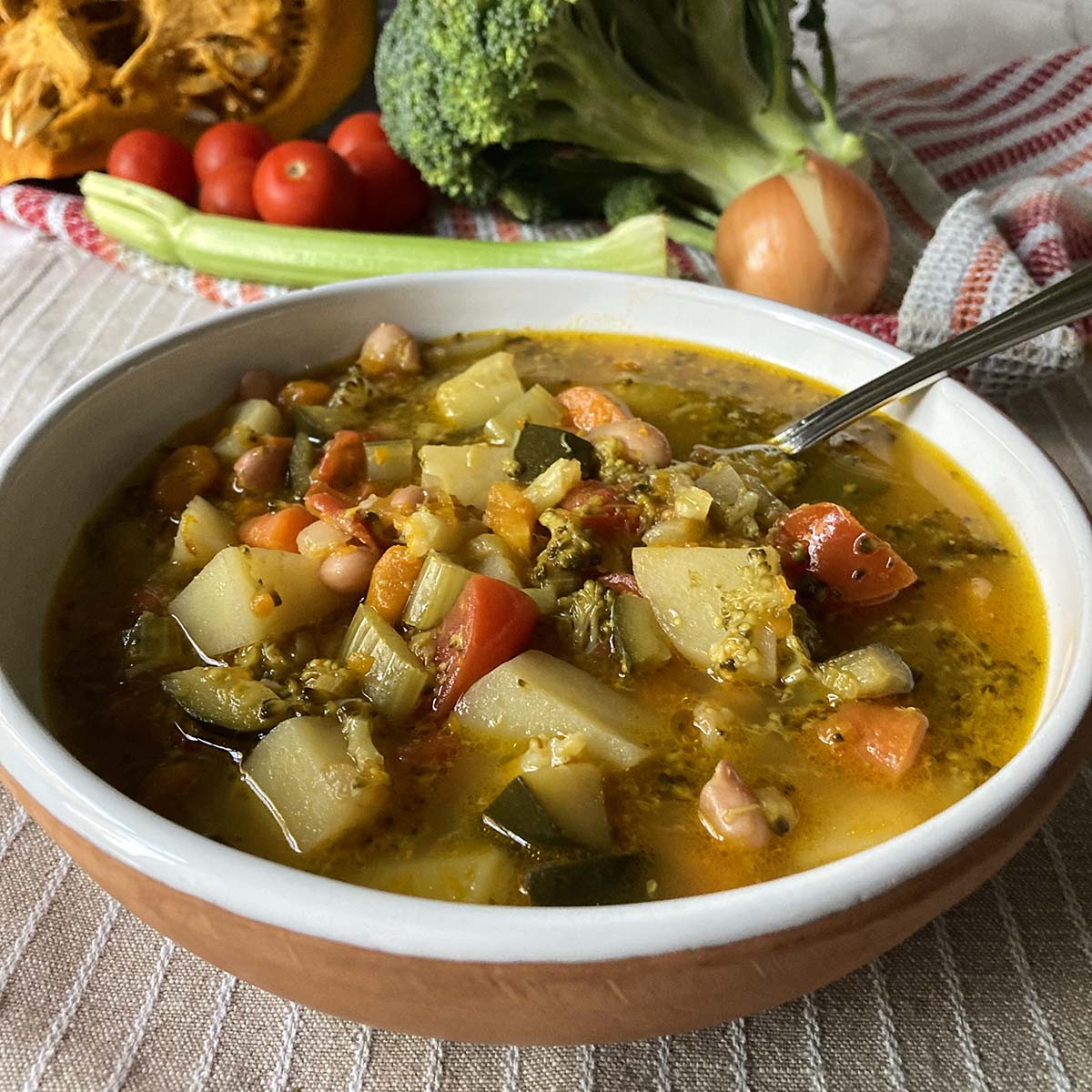
Mastering Minestrone: The Quintessential Italian Comfort for Wholesome Living
There's something uniquely comforting about a steaming bowl of soup, especially when it's brimming with vibrant vegetables, hearty legumes, and a rich, aromatic broth. Among the pantheon of global comfort foods, few stand as tall or as timeless as Italian Minestrone. More than just a dish, this versatile Italian classic embodies centuries of culinary tradition, offering a wholesome, nourishing experience that transcends mere sustenance. Often hailed as a cornerstone of longevity diets, particularly in the famed Blue Zones, vegetable minestrone soup is a testament to simple, fresh ingredients culminating in extraordinary flavor and significant health benefits.
From ancient Roman kitchens to modern-day tables, minestrone has consistently offered a warm embrace, adapting effortlessly to whatever seasonal bounty is available. It's a celebration of plant-based eating, a powerhouse of nutrients, and a deeply satisfying meal that promises to tantalize your taste buds while nourishing your body. Get ready to explore the rich history, unparalleled versatility, and profound health benefits of this beloved Italian staple.
Beyond the Broth: What Makes Minestrone Stand Out?
While many cuisines boast their own versions of vegetable-based soups, minestrone holds a distinct place, carving out its identity through specific characteristics that elevate it from a simple broth to a robust, satisfying meal. Often, people confuse minestrone with generic vegetable soup, but there's a clear difference that true aficionados understand.
At its heart, vegetable minestrone soup is known for its incredible heartiness and thickness. Unlike a lighter, often clearer vegetable broth that might feature only a handful of ingredients, minestrone is typically packed with a generous array of chopped vegetables, a substantial amount of legumes (most commonly beans), and a distinct pasta or grain component. This combination creates a more textural and fulfilling experience. The broth itself is usually rich and opaque, often tomato-based, providing a deeply savory foundation that binds all the ingredients together.
The magic of minestrone lies in this harmonious blend of components. The inclusion of beans adds a creamy texture and a significant protein and fiber boost, while the pasta or rice turns it into a complete, energy-sustaining meal. This isn't just a starter; it's a main event, designed to warm the soul and satisfy the hungriest appetite.
A Journey Through Time: The Ancient Roots of Italian Comfort
The story of minestrone is as rich and layered as the soup itself, with roots tracing back to the very foundations of Italian civilization. This isn't a modern invention; its origins are deeply embedded in the culinary practices of ancient Rome, making it a true piece of living history.
Originally, minestrone was the quintessential "peasant's dish," born out of necessity and ingenuity. Roman peasants, resourceful and pragmatic, would utilize whatever seasonal vegetables, grains, and legumes they had on hand to create a nourishing and affordable meal. Early versions were likely much simpler, perhaps just a hearty vegetable broth enriched with stale bread or pulses.
As Roman culture evolved and new ingredients were introduced (most notably tomatoes from the Americas in the 16th century), so too did minestrone. It gradually transformed from a humble, somewhat thin vegetable stew into the more substantial, flavor-packed soup we recognize today. Its essence, however, remained constant: a celebration of seasonal produce and a testament to making the most of available ingredients. This tradition of using whatever is fresh and in season is precisely why recipes for vegetable minestrone soup vary so widely from region to region across Italy, each reflecting local agricultural bounty and culinary heritage.
The Blue Zone Connection: Minestrone as a Longevity Elixir
In the quest for a long and healthy life, scientists have identified "Blue Zones" – specific regions around the world where people live measurably longer, healthier lives, often reaching age 100 with remarkable vitality. Intriguingly, diets in these zones consistently feature plant-heavy, whole-food-based meals, and Minestrone soup, particularly its vegan variations, fits this profile perfectly.
The presence of vegetable minestrone soup as a staple in one of the world's Blue Zones is no coincidence. It embodies many principles linked to longevity and disease prevention:
- Rich in Plant-Based Nutrients: Minestrone is a veritable treasure trove of vitamins, minerals, and antioxidants from its diverse array of vegetables (carrots, celery, spinach, zucchini, tomatoes, etc.). These compounds are crucial for fighting oxidative stress and inflammation, key contributors to chronic diseases.
- Fiber Powerhouse: The combination of legumes (beans, lentils) and vegetables makes minestrone incredibly high in dietary fiber. Fiber is vital for digestive health, promoting regularity and feeding beneficial gut bacteria. It also plays a significant role in managing blood sugar levels and lowering cholesterol, thereby supporting heart health.
- Heart-Healthy Profile: By focusing on plant-based ingredients and often being prepared with minimal or no added oils, minestrone naturally boasts a low saturated fat content. The fiber, potassium (from vegetables), and antioxidants collectively contribute to a robust cardiovascular system, helping to maintain healthy blood pressure and reduce the risk of heart disease.
- Sustainable Satiety: The high fiber and protein content from legumes ensure that minestrone is incredibly filling and satisfying, helping to prevent overeating and support healthy weight management – another factor linked to increased longevity.
It's not just a meal; it's a lifestyle choice, echoing the wisdom of centenarians who prioritize simple, whole, plant-forward foods.
Crafting Your Own Wholesome Bowl: Tips for the Perfect Vegetable Minestrone
Making a truly exceptional vegetable minestrone soup is a rewarding experience that requires little effort but yields immense comfort and satisfaction. While there are countless recipes, the core process remains simple and allows for endless customization. Here’s how to create your masterpiece:
1. The Foundation: Aromatic Soffritto
Every great Italian soup begins with a strong aromatic base. Start by gently sautéing finely diced onions, carrots, and celery in a good quality olive oil (or water/broth for an oil-free version). Adding garlic and sometimes mushrooms after a few minutes builds an even deeper flavor profile. This slow cooking allows the vegetables to sweeten and release their essential oils, creating a complex flavor bedrock for your soup.
2. Layering Flavors: Herbs, Tomatoes, and Broth
Once your aromatics are fragrant, it's time to build the next layer. Incorporate your chosen seasonings – dried oregano, basil, thyme, bay leaves, and a pinch of red pepper flakes for a subtle kick. Sautéing these spices briefly awakens their flavors. Next, add diced tomatoes (canned San Marzano are excellent for depth) and tomato paste, cooking them down slightly to intensify their sweetness. Finally, pour in your vegetable broth. The quality of your broth will significantly impact the final taste, so opt for a low-sodium, flavorful variety.
3. The Heart of the Soup: Legumes and Vegetables
Add your beans – cannellini, kidney, or chickpeas are classic choices, thoroughly rinsed. This is also the stage to introduce denser, slower-cooking vegetables like potatoes or hearty greens that you want to soften. Let everything simmer gently, allowing the flavors to meld and the vegetables to become tender. This slow simmer is crucial for developing the rich, comforting taste of minestrone.
4. Perfecting the Pasta and Finishing Touches
For the best texture, cook your small pasta shapes (ditalini, elbow, or small shells) separately to al dente. This prevents the pasta from becoming mushy and absorbing too much broth, which can thicken your soup excessively over time. Stir the cooked pasta into the soup just before serving, along with quick-cooking greens like spinach or kale, and a generous handful of fresh parsley or basil. A final squeeze of lemon juice can brighten all the flavors beautifully.
5. Customization is Key: Embrace Versatility
Minestrone is inherently flexible. Don't be afraid to experiment! Use whatever seasonal vegetables you have – zucchini, bell peppers, green beans, or even squash. Swap pasta for rice or small whole grains like farro. For a protein boost, add lentils or even plant-based sausage. This adaptability is what makes minestrone truly a "soup of the season" and a sustainable choice for any kitchen.
Nutritional Powerhouse: Why Vegetable Minestrone Reigns Supreme
Beyond its comforting warmth and delightful taste, vegetable minestrone soup stands out as an exceptional nutritional powerhouse. It perfectly encapsulates the principles of a balanced, plant-forward diet that is increasingly recognized for its myriad health benefits:
- Abundant in Fiber: With its generous portions of vegetables and legumes, minestrone is packed with both soluble and insoluble fiber. This promotes healthy digestion, helps regulate blood sugar, lowers cholesterol, and contributes to a feeling of fullness.
- Rich in Vitamins and Minerals: Each spoonful delivers a spectrum of essential micronutrients. Tomatoes provide lycopene, carrots offer beta-carotene, and leafy greens contribute vitamins K and C, along with folate and iron. Legumes are excellent sources of plant-based protein, iron, and magnesium.
- Antioxidant Rich: The vibrant array of vegetables ensures a high concentration of antioxidants, which combat free radicals in the body, reducing inflammation and potentially lowering the risk of chronic diseases.
- Hydrating and Satisfying: Soups, by nature, are hydrating. Minestrone's combination of water, broth, and nutrient-dense ingredients provides a deeply satisfying meal that supports overall well-being.
- Low in Saturated Fat & Cholesterol: When prepared with a focus on fresh produce, legumes, and minimal added fats (especially if opting for an oil-free base), minestrone is naturally low in saturated fat and completely cholesterol-free, making it a stellar choice for cardiovascular health.
Embracing vegetable minestrone soup means embracing a meal that actively contributes to a healthier, more vibrant life.
Conclusion: A Timeless Bowl for a Healthier You
From its ancient Roman origins as a peasant's meal to its modern-day recognition as a longevity food in the Blue Zones, vegetable minestrone soup has truly mastered the art of being both comforting and incredibly wholesome. Its unparalleled versatility, rich history, and profound health benefits make it more than just a recipe; it's a culinary philosophy that champions fresh, seasonal ingredients and plant-based nourishment.
Whether you're seeking a hearty meal to warm a chilly evening, a nutritious option to support a healthy lifestyle, or simply a taste of authentic Italian tradition, minestrone delivers on all fronts. So, gather your freshest vegetables, your favorite legumes, and embark on a culinary journey to master this truly remarkable Italian comfort food. Your taste buds, and your body, will thank you.
